
The question “Is it good to wear sunglasses at night?” sparks debate among drivers, fashion lovers, and eye care professionals. On one hand, some people claim sunglasses reduce glare from oncoming headlights. On the other hand, experts warn that dark lenses limit visibility in low-light conditions. This creates a conflict between comfort and safety. The human eye already struggles to adjust after sunset. Adding tinted lenses may make things worse. Therefore, understanding the risks and benefits is essential.
Moreover, many individuals still choose to wear sunglasses after dark. Some do it for style. Others believe it helps with light sensitivity. Celebrities and musicians often appear in tinted glasses regardless of time. However, functional needs differ from fashion statements. Drivers must prioritize clear vision over appearance. Medical conditions like photophobia may justify certain lens use. Yet, regular sunglasses are not designed for nighttime. So, while the look might seem cool, the real impact matters more. Ultimately, answering is it good to wear sunglasses at night requires looking at science, context, and purpose.
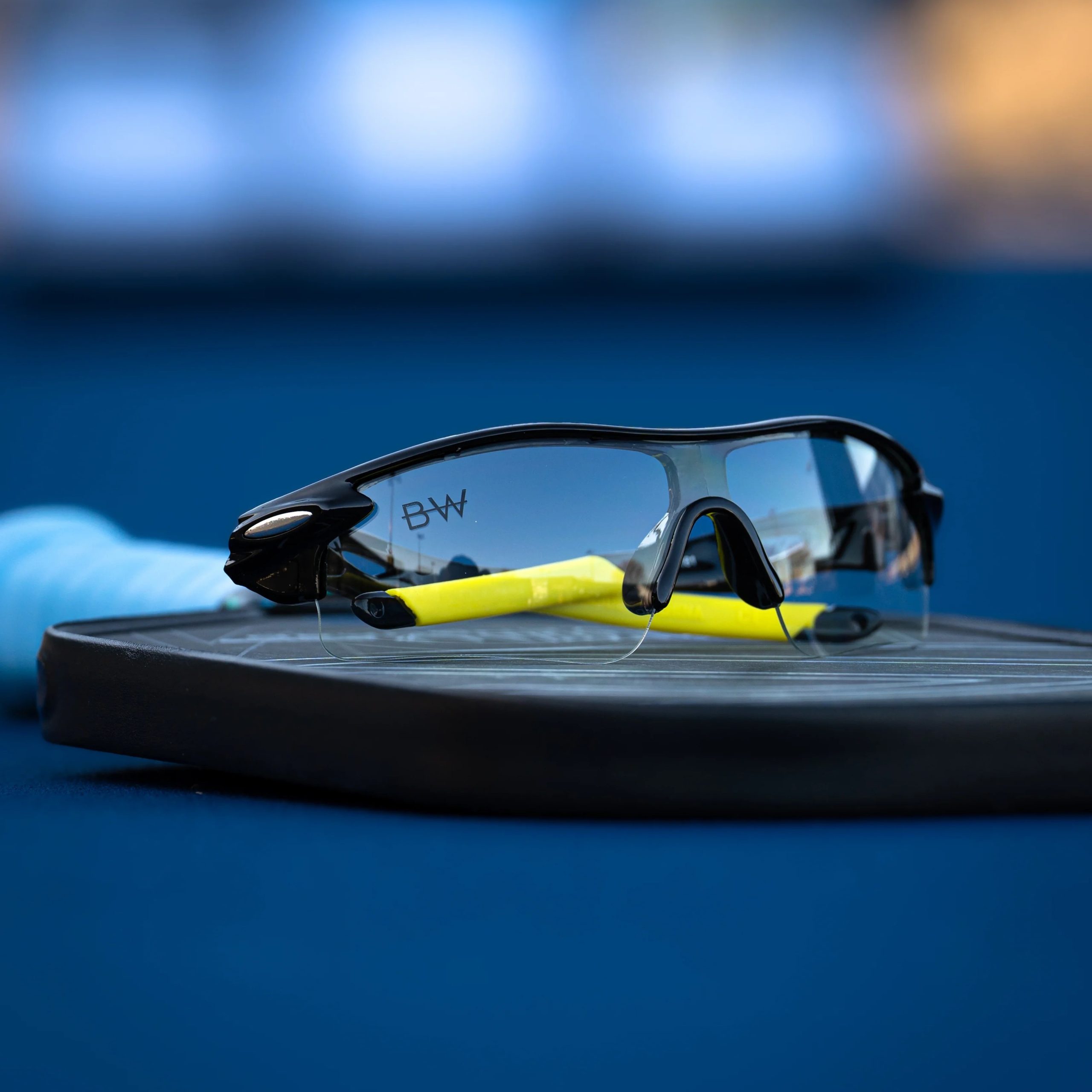 How Human Vision Works in Low Light
Is it good to wear sunglasses at night? Nighttime vision depends on rod cells in the retina. These cells detect dim light but don’t see color. In contrast, cone cells handle bright light and hues. When darkness falls, the eyes undergo dark adaptation. This process takes up to 30 minutes. During this time, pupils dilate to let in more light.
Wearing sunglasses interrupts this natural shift. Tinted lenses block visible light. As a result, fewer photons reach the retina. This forces the eyes to work harder. Visual clarity drops significantly. Depth perception weakens. Peripheral detection slows down. All these changes increase reaction times.
Additionally, contrast sensitivity suffers. Shadows become harder to distinguish. Road markings, curbs, or animals may go unnoticed. Drivers face higher risks when navigating poorly lit streets. Cyclists and pedestrians also rely on being seen. Dark glasses reduce their visibility to others.
Some night driving glasses have yellow or amber tints. These claim to enhance contrast. However, studies show mixed results. They do not improve actual visual acuity. In many cases, they create a false sense of improvement.
Therefore, healthy nighttime vision requires maximum light intake. Blocking it with standard sunglasses harms performance. The body evolved to adapt—don’t fight its design.
Why Glare Becomes a Problem After Dark
Glare occurs when bright lights overwhelm the eyes. At night, sources include headlights, streetlamps, and reflective signs. LED headlights are especially intense. Their blue-white spectrum scatters more inside the eye. This causes discomfort and temporary blindness.
Many older adults experience increased glare sensitivity. Aging lenses lose transparency. Cataracts worsen this effect. Pupil response slows too. Recovery after exposure takes longer. For these reasons, some consider wearing sunglasses.
However, reducing overall brightness isn’t the solution. Doing so limits useful information. The goal should be managing glare without sacrificing ambient vision. Anti-reflective coatings on prescription glasses help. Clean windshields and anti-glare mirrors do too.
Sunglasses make the problem worse. They darken everything—including necessary details. A better approach includes adjusting gaze slightly downward. Focus on the right edge of the road instead. This avoids direct beam contact.
Regular eye exams identify treatable issues. Updating prescriptions improves clarity. Doctors may recommend special lenses for night use. These differ from daytime sunglasses. Always consult a professional before using any tinted eyewear at night.
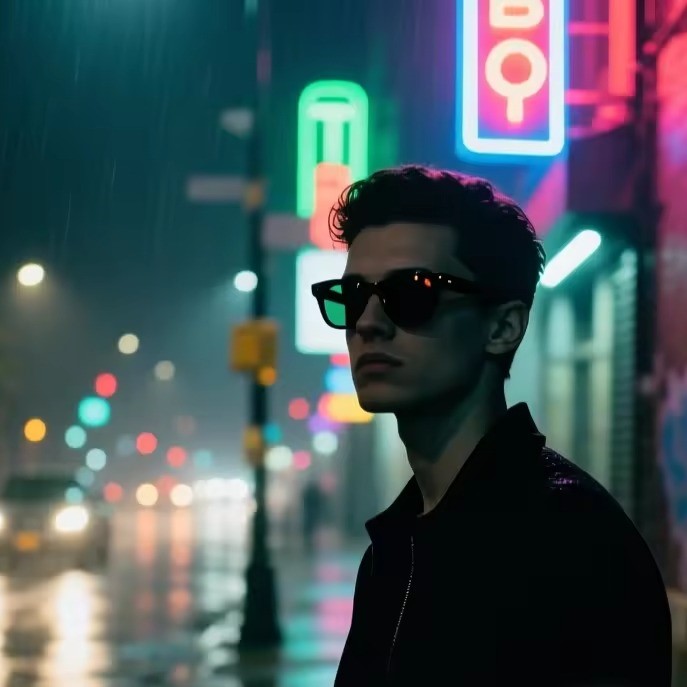 Fashion vs. Function: The Style Factor
Despite health concerns, many people wear sunglasses at night for fashion. Musicians, actors, and influencers popularized the look. It projects mystery, confidence, or rebellion. Iconic figures like Tom Cruise in Risky Business or Prince made it legendary.
Fashion-forward events often feature dark glasses after dark. Red carpets, concerts, and club scenes embrace the aesthetic. Designers release oversized, mirrored, or colored frames. These serve as accessories, not vision tools.
In these settings, functionality takes a back seat. The wearer isn’t driving or walking alone. They’re posing, performing, or socializing. Visibility matters less than image.
That said, even symbolic use carries consequences. Imitators may copy the trend without context. Young fans might wear them while driving. This leads to dangerous misunderstandings.
Brands sometimes blur the line. Marketing shows models in shades under city lights. Ads rarely clarify that it’s for style only. Consumers assume it’s safe.
Still, personal expression has value. Wearing sunglasses at night doesn’t always mean poor judgment. Context determines acceptability. Just know when to remove them. Prioritize safety during activities that demand full attention.
Style can coexist with responsibility—if used wisely.
Risks of Wearing Sunglasses While Driving
Driving with sunglasses at night poses serious dangers. Reduced light intake delays hazard recognition. A pedestrian crossing ahead may appear too late. Brake lights or turn signals become fainter. Reaction speed drops by fractions of a second. That delay can cause accidents.
Studies show that even lightly tinted lenses impair performance. The U.S. Department of Transportation advises against using them after dark. Law enforcement agencies reinforce this warning. Some states may issue citations if officers deem it unsafe.
Depth perception is critical for judging distance. Tinted lenses distort contrast. Curves, potholes, or stopped vehicles become harder to see. Fog or rain amplifies the risk. Wet roads reflect more light. Sunglasses reduce the ability to interpret those reflections.
Peripheral awareness declines too. Side mirrors and blind spots suffer. Drivers rely heavily on quick glances. Diminished input increases collision odds.
Even experienced drivers aren’t immune. Overconfidence leads to risky behavior. Familiar routes feel safer—but surprises happen anywhere. Wildlife, debris, or sudden stops remain threats.
Emergency situations demand instant responses. Sunglasses slow visual processing. That split-second loss could change outcomes.
For all these reasons, experts agree: avoid wearing sunglasses while driving at night. Save them for daylight hours. Your life—and others’—may depend on it.
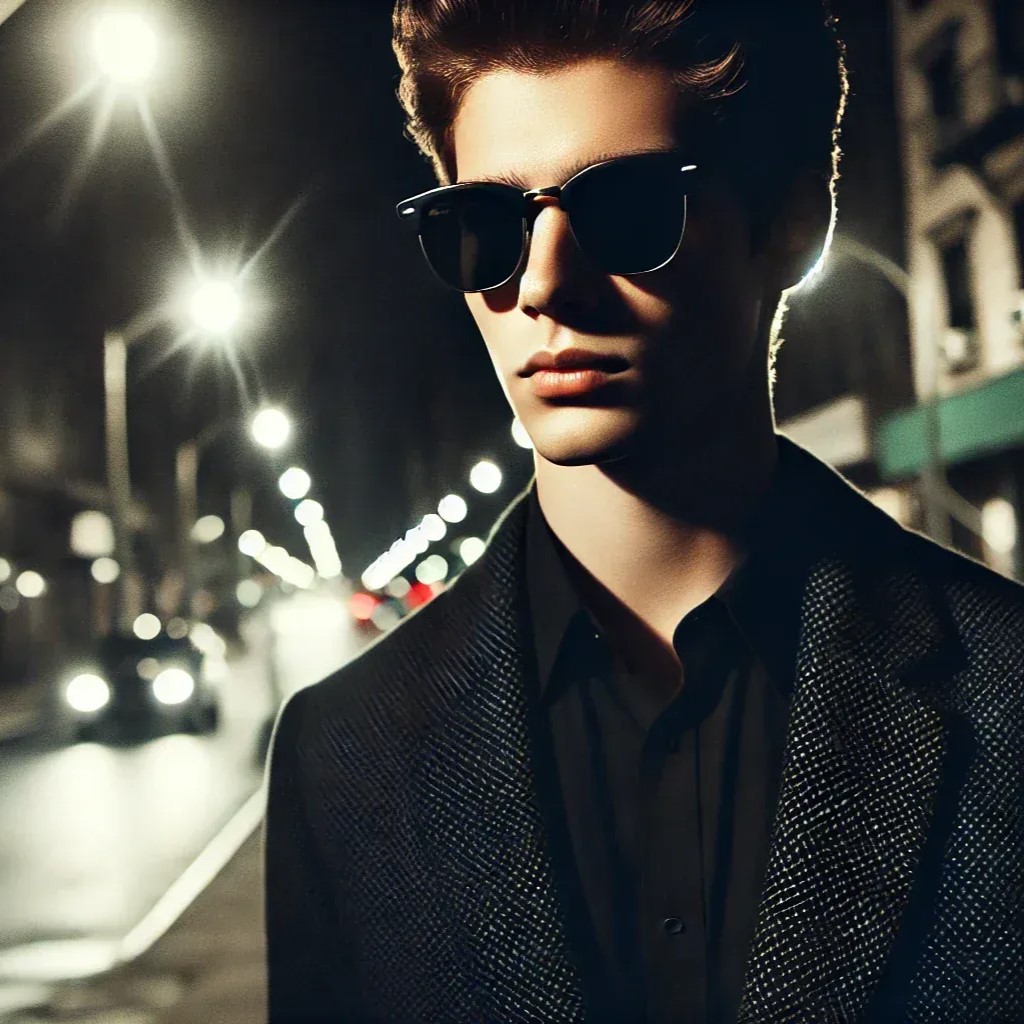 Alternatives to Sunglasses for Night Comfort
If you struggle with nighttime brightness, better options exist. Photochromic lenses adjust to light levels. They darken in sunlight and clear indoors. Some versions react quickly enough for dusk transitions. These suit people who move between environments frequently.
Anti-reflective (AR) coatings reduce glare on prescription glasses. They prevent internal reflections. Many wearers notice improved clarity during night drives. Optometrists apply these to single-vision or progressive lenses.
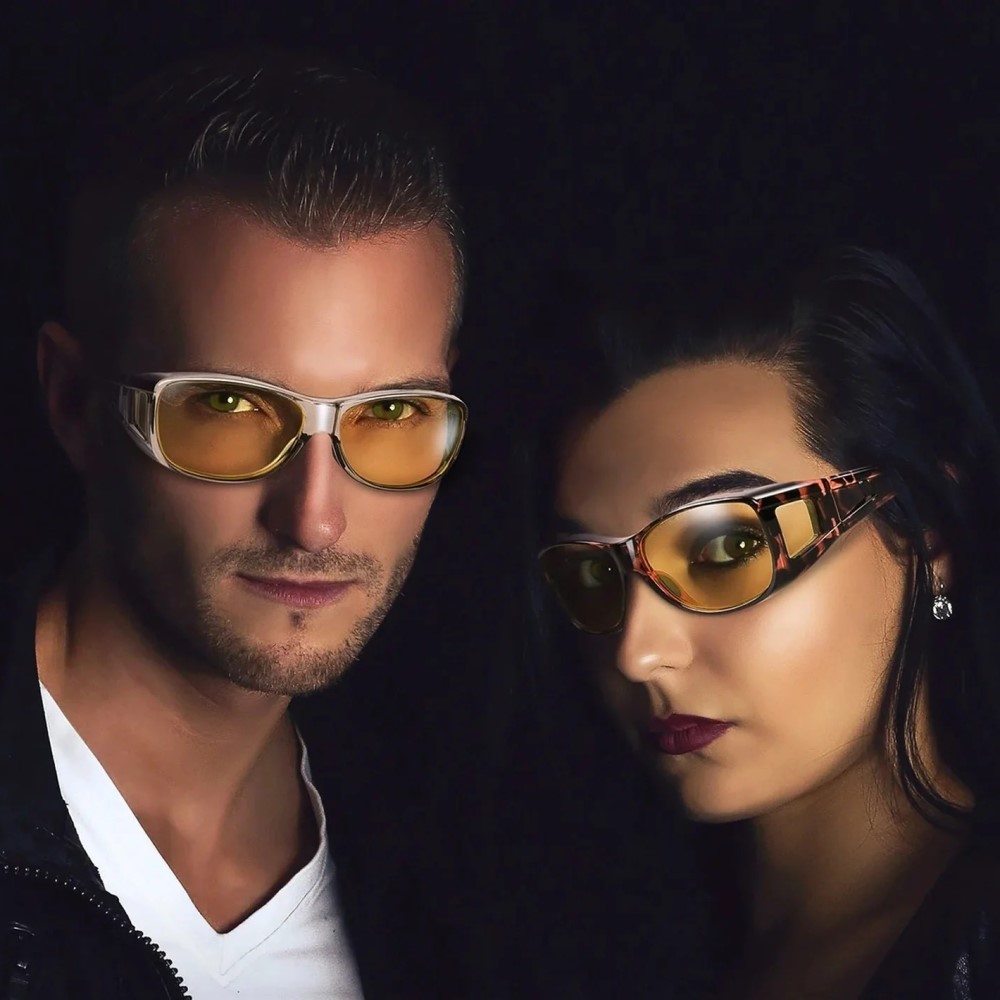
Yellow-tinted “night driving” glasses are sold widely. However, research does not support their effectiveness. The FDA and AAA caution against relying on them. They may boost perceived comfort. But they don’t enhance real-world vision.
Instead, keep your windshield clean. Dirt and scratches scatter light. Use ammonia-free cleaners for streak-free results. Replace worn wiper blades regularly. Smudges worsen glare.
Adjust your rearview mirror to night mode. Flip the lever to reduce headlight intensity. Modern cars have auto-dimming features. Enable them if available.
Visit an eye doctor annually. Conditions like astigmatism or cataracts affect night vision. Early treatment prevents worsening symptoms. LASIK surgery may help some patients.
These alternatives protect vision without compromise. They address root causes—not just symptoms.
Situations Where Sunglasses at Night Might Be Acceptable
While generally discouraged, rare cases allow limited use. People with extreme light sensitivity may benefit. Conditions like albinism, migraines, or post-surgery recovery alter tolerance. In such instances, very light tints might help.
Doctors sometimes prescribe specialized lenses. These differ from commercial sunglasses. They filter specific wavelengths without blocking all light. Use follows medical guidance. Duration stays short.
Outdoor events under bright artificial lighting may permit use. Think stadiums, rooftop bars, or neon-lit cities. Ambient brightness mimics daylight. Glare from signs or spotlights can be harsh. In these spaces, mild tints may offer relief.
Performers on stage often wear sunglasses. Spotlights mimic midday sun. Audience visibility isn’t needed. The focus is on presentation. Still, they remove them offstage.
Security personnel or VIPs may wear them for privacy. Concealing eyes deters identification. This tactic appears in high-profile protection roles. Again, it’s situational.
Even then, movement in dark areas requires removal. Walking through alleys or entering buildings demands clear sight. Never wear them during transit.
Always assess surroundings first. Ask: “Do I need full vision right now?” If yes, take them off. Safety outweighs image every time.
 Frequently Asked Questions
Is it safe to wear polarized sunglasses at night? No. Polarized lenses reduce glare but also block more light. Avoid them after dark.
Can children wear sunglasses at night? Only under supervision and for brief fashion moments. Not during play or travel.
Are blue light glasses the same as sunglasses? No. Blue light blockers filter digital emissions. They don’t have dark tints. Safe for evening screen use.
What if I have dry eyes at night? Use lubricating drops instead. Consult a doctor. Sunglasses won’t fix the issue.
Can prescription night lenses help? Yes. Some correct for astigmatism or spherical errors. Discuss options with your optometrist.
Should I wear sunglasses during twilight? Only briefly. Dusk and dawn have enough light for standard sunglasses. Remove them as it gets darker.
 Final Thoughts on Whether Is It Good to Wear Sunglasses at Night
To answer is it good to wear sunglasses at night: usually, no. The risks far outweigh the benefits. Vision depends on gathering available light. Tinted lenses interfere with that process. Whether driving, walking, or cycling, reduced visibility increases danger.
Fashion exceptions exist. Performers, celebrities, and style icons use them symbolically. But these uses occur in controlled environments. They don’t involve navigation or safety-critical tasks.
Better alternatives support comfort without harm. Anti-reflective coatings, clean windshields, and updated prescriptions make bigger differences. Medical-grade tints help sensitive individuals—under guidance.
Ultimately, prioritize function when lives are at stake. Reserve sunglasses for sunny days. Embrace smart choices after sunset. Clear vision keeps everyone safer. So, while the look might seem cool, ask yourself: is it good to wear sunglasses at night? The answer remains clear—choose safety over style.