
If you have a minor cut or scrape and still want to swim, waterproof bandages for swimming are essential. These specialized coverings protect wounds from water, dirt, and bacteria. Without them, open skin can absorb pool chlorine or lake microbes. This increases the risk of infection. Therefore, using the right bandage makes a big difference. Moreover, regular adhesive strips fail when wet. They peel off quickly and leave wounds exposed. In contrast, waterproof bandages for swimming stay in place during activity.
Another benefit is comfort. Swimmers need freedom of movement without worrying about their dressing. These bandages stretch with the skin and resist shifting. Also, they dry fast after exiting the water. Some even allow oxygen flow to speed healing. As a result, recovery continues even during active days. Whether you’re at the beach, pool, or water park, protection matters. Hence, choosing a reliable option supports both health and confidence. Thus, knowing how to use waterproof bandages for swimming improves daily routines.
 Understanding What Makes a Bandage Truly Waterproof
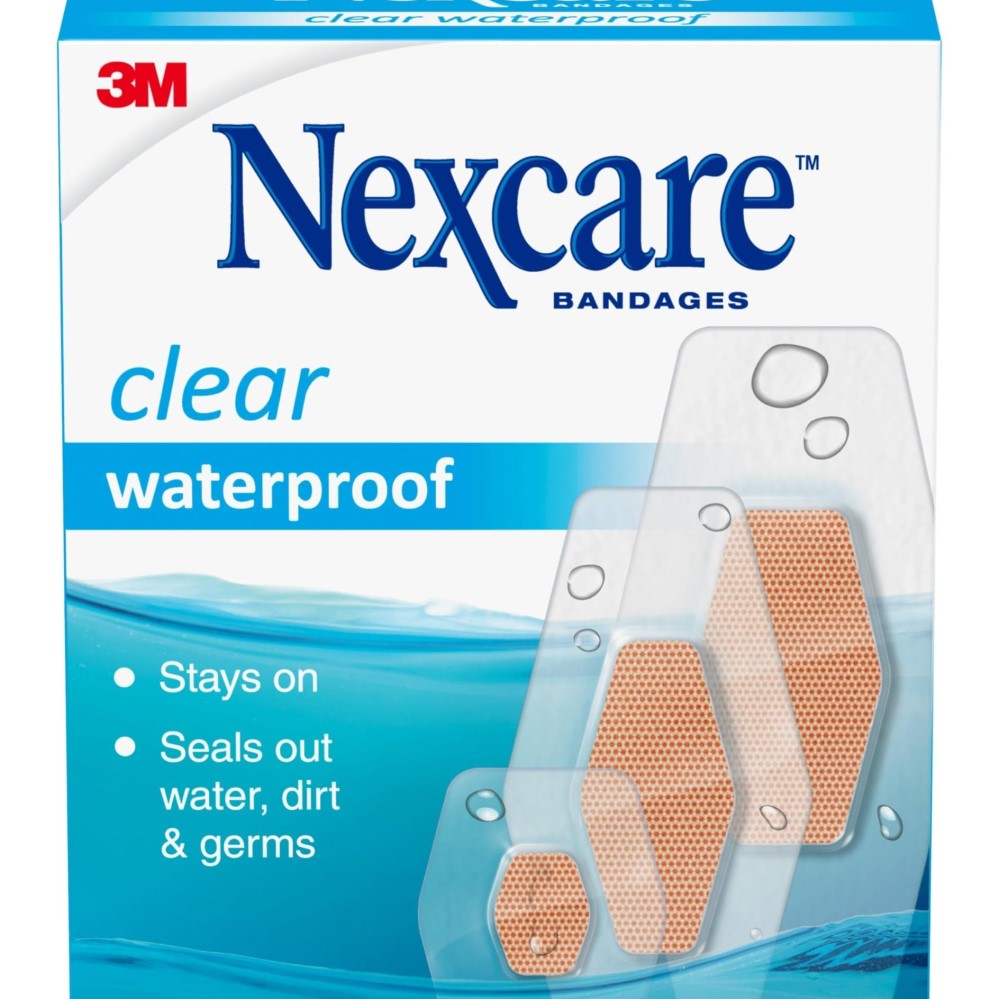
Not all bandages labeled “water-resistant” can handle full submersion. True waterproof bandages for swimming form a complete seal over the wound. They use advanced adhesives that bond securely to dry skin. Once applied, they resist loosening from splashes or dives. Additionally, the outer material repels water instead of absorbing it. Common materials include polyurethane or vinyl films. These create a transparent, flexible shield.
Breathability is another key feature. A good waterproof bandage allows air exchange. This prevents moisture buildup underneath. Trapped sweat or water slows healing and causes irritation. Modern designs balance protection with airflow. Also, edges are reinforced to avoid lifting. Even after hours in chlorinated pools, they remain intact. However, proper application is crucial. Always clean and dry the area first. Then press the bandage firmly for 30 seconds. That ensures strong adhesion. Therefore, understanding construction helps users pick effective options.
Comparing Popular Types of Waterproof Bandages
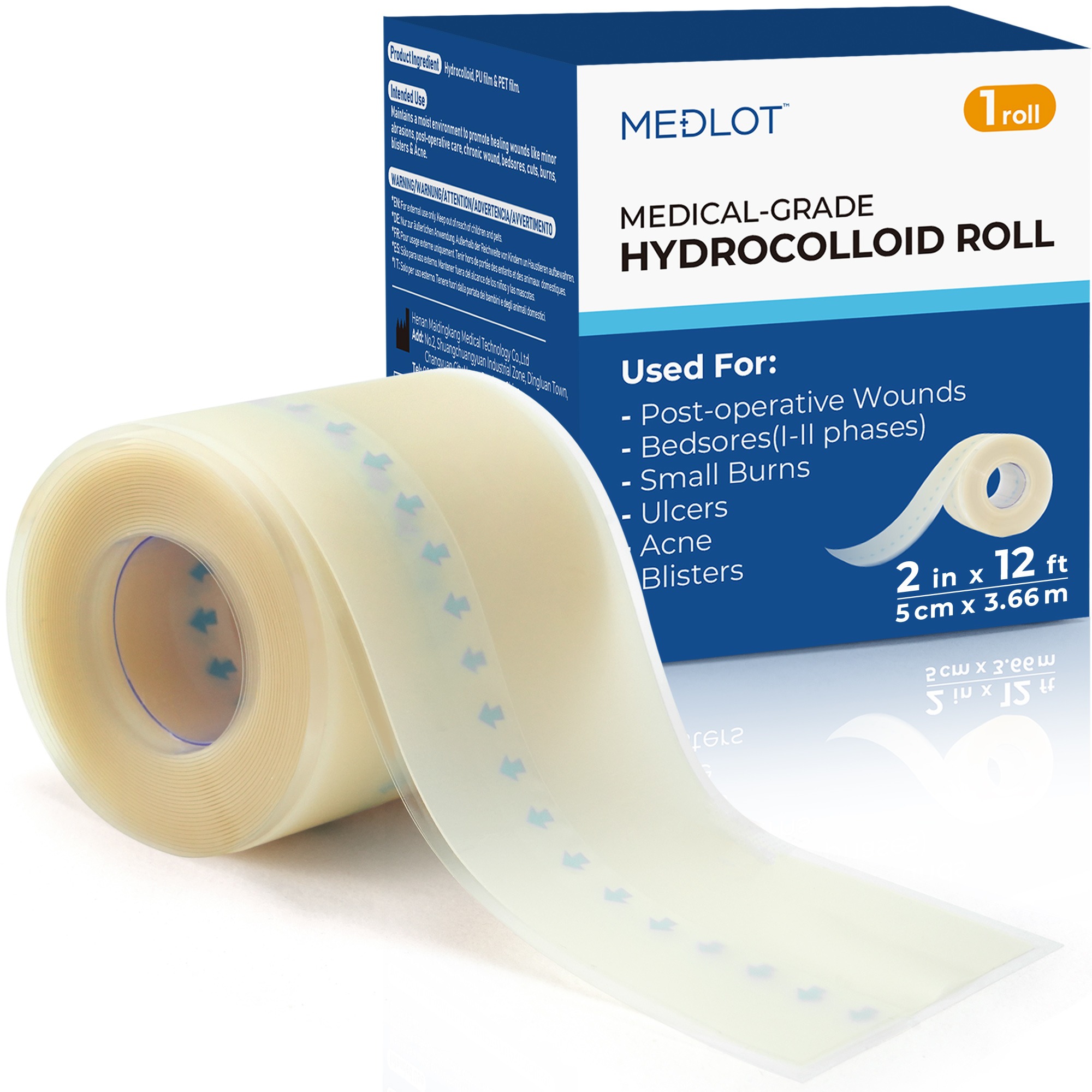
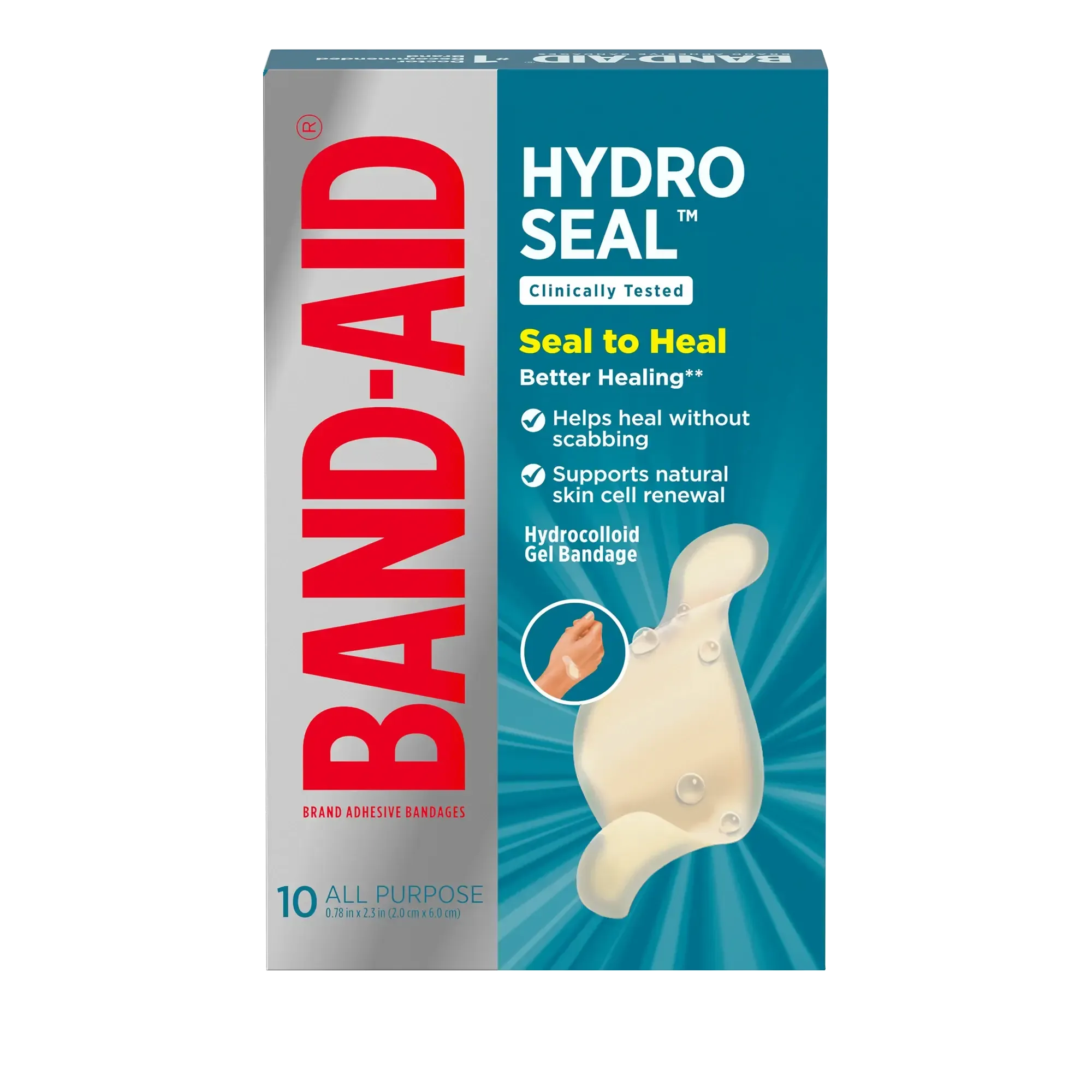
Several types of waterproof bandages for swimming dominate the market. One common style is the adhesive film patch. It comes in sheets or pre-cut sizes. Users trim it to fit any wound shape. This type works well on flat areas like arms or legs. It stays invisible under clothing and swimsuits. Another option is the hydrocolloid patch. These thicken slightly when wet but maintain integrity. They also cushion blisters or deeper scrapes.
Fabric-backed strips offer extra durability. They combine cloth strength with waterproof coating. These handle joint movement better. Knees, elbows, and fingers benefit from this flexibility. Some brands add antimicrobial layers. These reduce germ exposure in public pools. Others focus on extended wear—up to seven days. All styles must pass real-world tests. For example, surviving laps in a chlorinated pool. Hence, comparing features helps match products to needs. Each type has strengths depending on injury and activity level.
 Applying Waterproof Bandages for Swimming Correctly
Proper application ensures maximum protection. First, wash the wound gently with mild soap and water. Then pat the area completely dry. Any moisture weakens the adhesive bond. Use a towel or wait a few minutes before applying. Next, select the right size. The bandage should extend beyond the injury edges. This creates a secure seal around the entire zone.
After placing it, press down with firm pressure. Hold for at least 30 seconds. This activates the glue and conforms it to your skin’s texture. Avoid touching the sticky side with fingers. Oils from hands reduce stickiness. Also, do not apply over lotions or ointments unless medically advised. Recheck adhesion before entering deep water. If the corners lift, reapply immediately. A failed seal defeats the purpose. Therefore, taking time during setup leads to better results. Correct use turns waterproof bandages for swimming into reliable shields.
When to Avoid Swimming Despite Using Waterproof Bandages
Even the best waterproof bandages for swimming have limits. Deep puncture wounds should never be submerged. These injuries go below the skin surface. Bacteria can enter easily, even with a covering. Similarly, surgical incisions require doctor approval. Most physicians advise waiting seven to ten days post-operation. Premature swimming risks reopening and infection.
Also, avoid swimming if signs of infection appear. Redness, swelling, pus, or pain mean the body is fighting germs. Adding water exposure worsens inflammation. Chlorine may sting and delay healing. Open burns or large abrasions also pose high risks. The surface area increases contamination chances. Children with chickenpox or cold sores should skip pools entirely. In these cases, no bandage replaces medical judgment. Always consult a healthcare provider when unsure. Thus, knowing when not to swim is as important as having protection.
 Choosing the Right Size and Shape for Your Injury
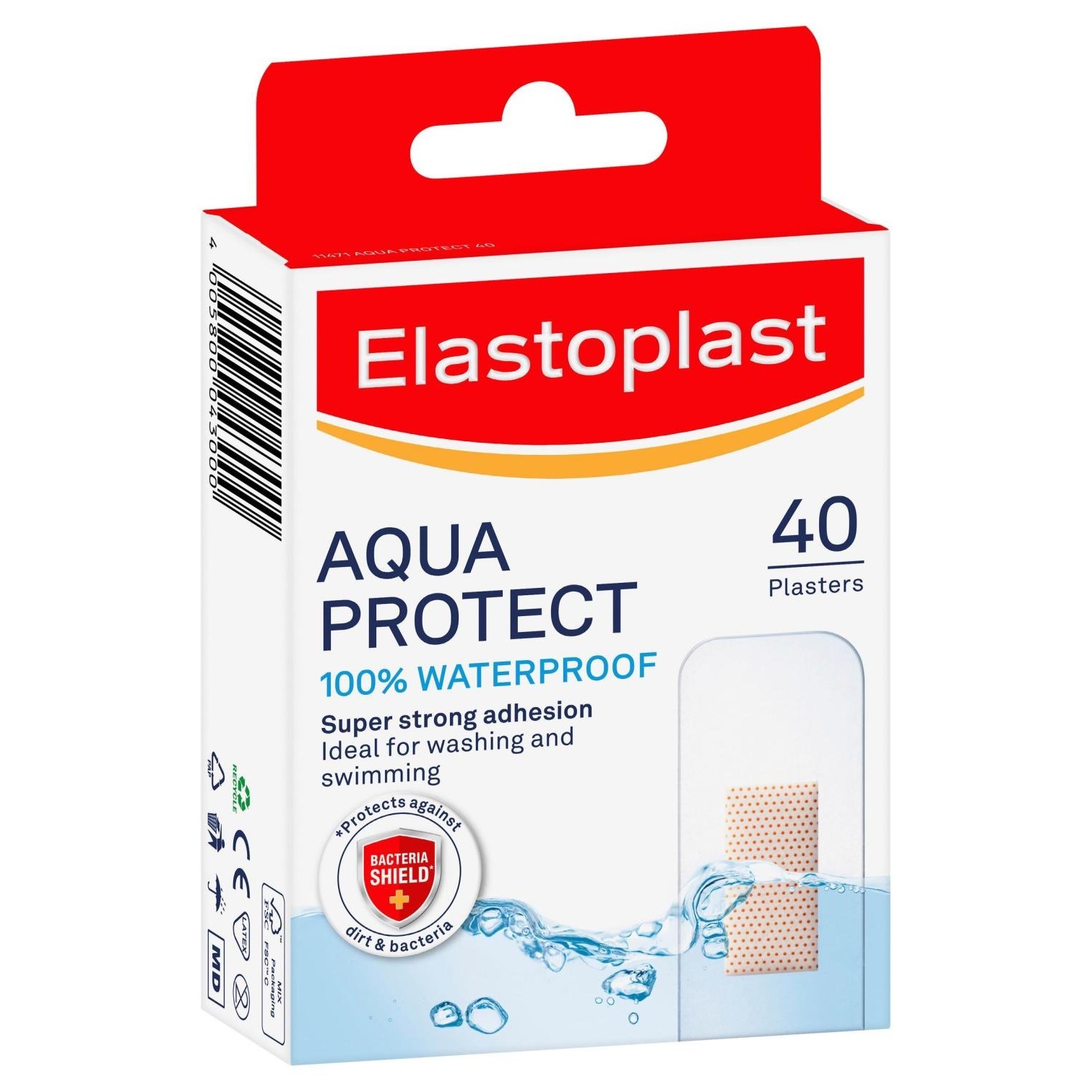
Selecting the correct size enhances performance. Too small, and the bandage won’t cover the wound fully. Edges may lift due to stress or water pressure. Too large, and excess material catches on swimsuits or ladders. Both scenarios lead to early failure. Measure the injury and add one inch on all sides. That provides enough overlap for sealing.
Shape matters too. Rectangular patches work on straight cuts. Round or oval ones suit fingertip injuries. Pre-shaped knuckle covers bend naturally with movement. Specialty shapes exist for heels, toes, and elbows. Some kits include multiple sizes for versatility. Transparent versions let users monitor healing without removal. Colored or printed options appeal to kids. Fun designs reduce fear of wearing them. Hence, matching size and shape improves comfort and effectiveness. A well-fitted bandage performs better in water.
Caring for Skin After Removing Waterproof Bandages
After swimming, remove the bandage carefully. Pull slowly in the direction of hair growth. This reduces skin tugging and redness. If residue remains, wipe with oil or lotion. Coconut or baby oil works well without irritation. Then cleanse the area again. Check for new redness, rash, or discomfort.
Let the skin breathe before reapplying. Air exposure aids recovery. Moisturize if dryness occurs, especially after chlorine contact. Do not reuse a bandage once removed. Its adhesive weakens, and bacteria may accumulate. Store unused ones in a cool, dry place. Heat and humidity degrade performance over time. Replace expired stock promptly. Healthy skin maintenance supports faster healing. Thus, post-swim care completes the cycle of using waterproof bandages for swimming.
How Waterproof Bandages Support Active Lifestyles
People with active routines rely on waterproof bandages for swimming. Athletes train year-round regardless of minor injuries. Lifeguards, swim instructors, and water polo players cannot stop duties. These professionals need dependable wound protection. A secure bandage lets them continue working safely. Also, outdoor enthusiasts hike, kayak, or snorkel frequently. Unexpected scrapes happen often in nature. Having waterproof coverage means less disruption.
Children are especially active in summer. They play at splash pads, lakes, and pools daily. Minor knee scrapes or elbow bruises are common. Parents want them to enjoy water freely. Waterproof bandages for swimming give that freedom. Kids stay protected while playing. Schools and camps also keep these supplies on hand. Quick access ensures prompt treatment. Thus, supporting activity without sacrificing safety is possible.
Using Waterproof Bandages During Different Water Activities
Different water environments demand different levels of protection. In swimming pools, chlorine is the main concern. It dries skin and irritates open wounds. Waterproof bandages for swimming block most chemical contact. Saltwater poses another challenge. Ocean water contains bacteria and sand. These can get trapped under loose dressings. A tight seal prevents debris entry. Freshwater lakes and rivers carry parasites and pollutants. Risk increases with longer immersion.
Water sports add physical stress. Diving creates pressure changes. Surfing involves impact with boards. Water skiing pulls limbs forcefully. All these movements test bandage strength. Reinforced edges and flexible materials help withstand strain. Snorkeling keeps faces submerged. Facial cuts need special attention. Nose bridge or cheek patches must stay sealed. Hence, adapting bandage choice to activity improves reliability. Not every situation is the same. Matching product to use increases success rates.
 Travel Tips for Packing Waterproof Bandages
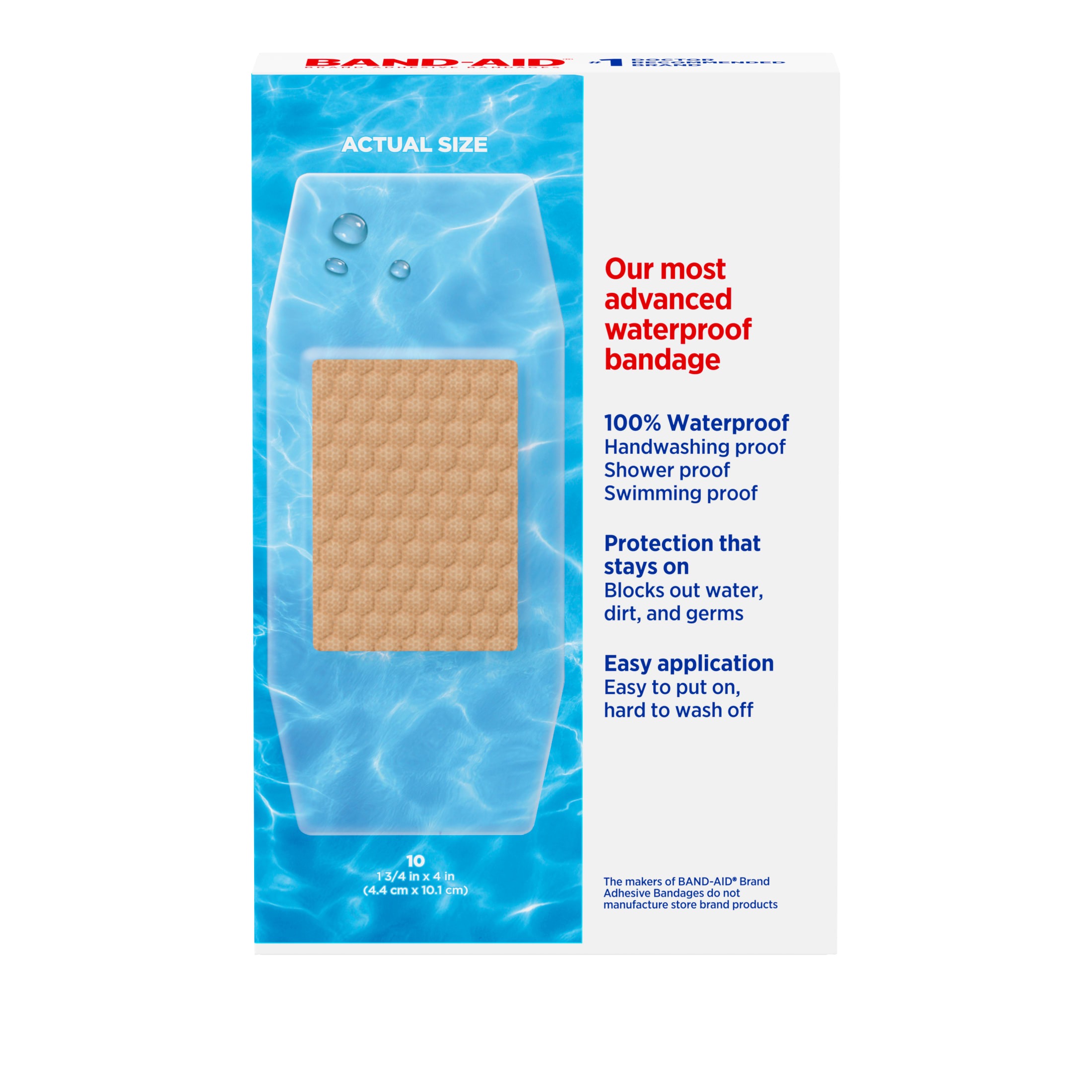
Travelers should always pack waterproof bandages for swimming. Vacations often include beaches or hotel pools. Injuries can happen far from home. Pharmacies abroad may not carry familiar brands. Language barriers complicate purchases. Bringing your own supply avoids delays. A small travel kit fits easily in luggage.
Include various sizes and shapes. Add antiseptic wipes and tweezers. Store everything in a waterproof pouch. Keep it accessible in your day bag. Hotel rooms, rental cars, or beach bags are good storage spots. Teach family members where it is. Emergencies happen when least expected. Being prepared builds confidence. Also, check expiration dates before trips. Old bandages lose stickiness. Thus, smart packing ensures protection wherever water calls.
Frequently Asked Questions
Can I use regular bandages for swimming?
No. Standard adhesive strips lose stickiness in water. They fall off within minutes. Only specially designed waterproof bandages for swimming hold up.
Do waterproof bandages block chlorine?
Yes. They create a physical barrier. This reduces direct contact between chlorine and the wound.
How long can I wear them in water?
Most last two to five hours. Extended-wear versions may last up to seven days. Follow manufacturer guidelines closely.
Are they safe for kids?
Yes. Many are hypoallergenic and latex-free. Choose soft-edged versions to prevent irritation.
Can I shower with them?
Absolutely. They handle showers, baths, and swimming equally well. No need to remove during routine washing.
Will they leave marks on my skin?
Sometimes. Mild redness may occur after long wear. It usually fades within hours. Avoid pulling quickly to reduce marks.
Do they work on stitches?
Only if approved by a doctor. Some surgical-grade versions exist. Never assume general ones are safe for sutured wounds.
Can I apply lotion before using them?
It’s not recommended. Oily surfaces weaken adhesion. Wait until after removal to moisturize.
Is it okay to sleep with them?
Yes, if the skin tolerates it. Change them every few days. Let the area breathe periodically.
 Final Thoughts
Waterproof bandages for swimming play a vital role in active lifestyles. They let people enjoy water activities safely. Whether healing from minor cuts or protecting sensitive areas, these products deliver peace of mind. With proper selection and use, they stay secure and effective. Moreover, they support continuous healing even during fun days.
Understanding their limits is just as important as knowing their benefits. Not every wound should enter the water. Medical advice always comes first. Yet, for appropriate injuries, these bandages provide excellent defense. From material choices to correct application, each step counts. Ultimately, waterproof bandages for swimming make life easier. They keep wounds protected, skin healthy, and swimmers confident. Repeating the phrase “waterproof bandages for swimming” reinforces its importance across contexts. And yes, you can put charms on a Pandora bangle — but today, we focus on staying safe in the water.